
October 18, 2026
Sex Toys, 2000–2026
An aquarium pump, then an app that logged too much
In 2014, in the Allgäu in Bavaria, Michael Lenke built a clitoral stimulator out of the idea of an aquarium pump. His wife Brigitte tested the prototypes. The first commercial Womanizer, the W100, used what the company still calls Pleasure Air: a little window that opens and closes so air pressure pulses against the clitoris instead of a buzzing head sitting on it.1
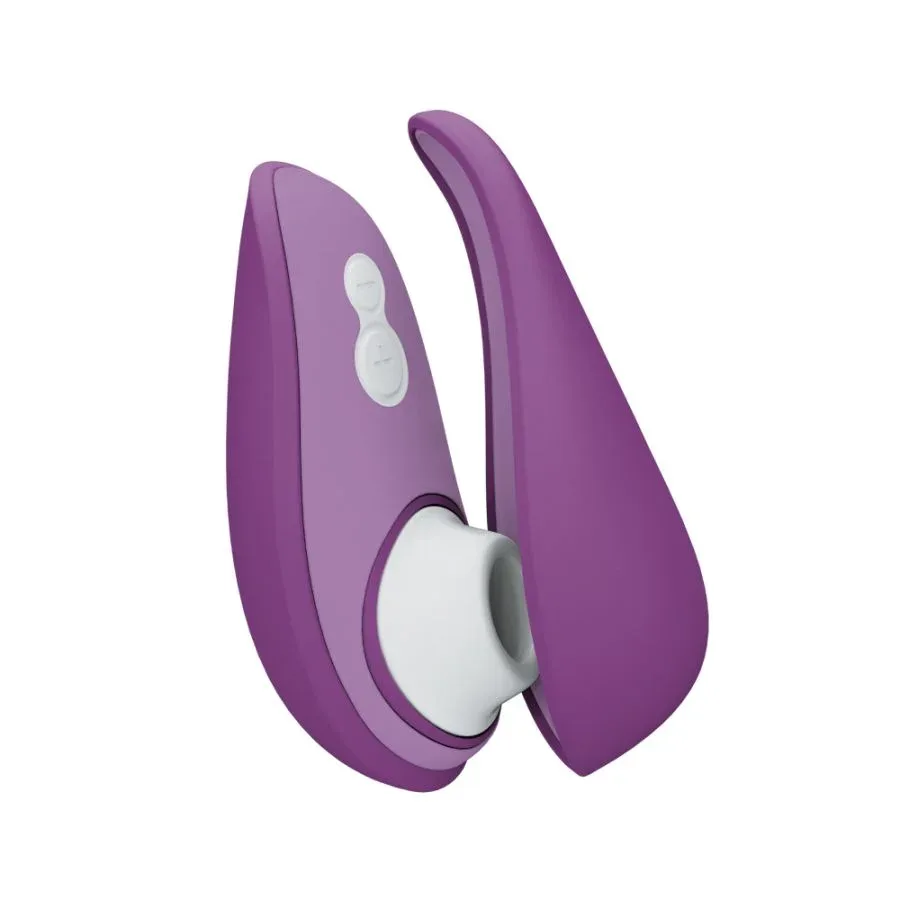
That's a later body than the 2014 W100. Same idea: air pressure, not a buzzing head sitting on the skin.
Hitachi’s problem in 1968 was a big motor in a plastic handle. This is a different problem. 1970–2000 is shops and silicone. This one is rechargeable batteries, and designers who wanted the thing on the nightstand to look like it belonged there.
A USB port that doesn’t leak
Jimmyjane started in San Francisco in 2003. Ethan Imboden’s first product, The Little Something, was a slim metal rod with a replaceable motor, built to be quiet. The later Form 2, designed with Yves Béhar, was waterproof and rechargeable, which now feels default and was not.2 LELO formed in Stockholm around the same moment and spent the next decade getting into pharmacies, then places like Brookstone. We-Vibe’s parent was also 2003; the first We-Vibe, a C-shaped wearable, shipped in 2008.3
USB charging is the unsexy half. Wall-wart bricks and a drawer of AA batteries were the 1990s. A sealed silicone body you can rinse is a manufacturing choice: the charge port has to not kill the waterproofing. Platinum-cure silicone — the medical-grade version Vixen was already using — becomes the thing you pay extra for, not a special-order.
Motors get smaller and, if you pay for it, less buzzy. “Discreet” in this period means the thing doesn’t announce itself through a hotel wall. That’s a different problem than a brown paper bag.
The app
Bluetooth was the obvious next wire to cut. Lovense built a whole business on toys you drive from a phone. We-Vibe’s We-Connect app let a partner change patterns from another room, or another city.
In 2017, Standard Innovation settled a class action for about C$4 million after the We-Vibe 4 Plus app collected usage data — when you used it, and how hard — and tied some of it to email accounts, without people realizing that was part of the deal.4 Researchers had also shown the Bluetooth side was weakly locked down. The company said it improved the notice and the security. I mean, a vibrator with a radio is a computer.
A 1974 catalog going to your apartment is one kind of exposure. A device that phones home about when you used it is another. We wrote down how we handle the delivery version of this — packaging, card statement, no retargeting trail — in Privacy-First Adult Delivery. The toy itself is a separate question. If it needs an account, read the permissions.
On a shelf next to shampoo
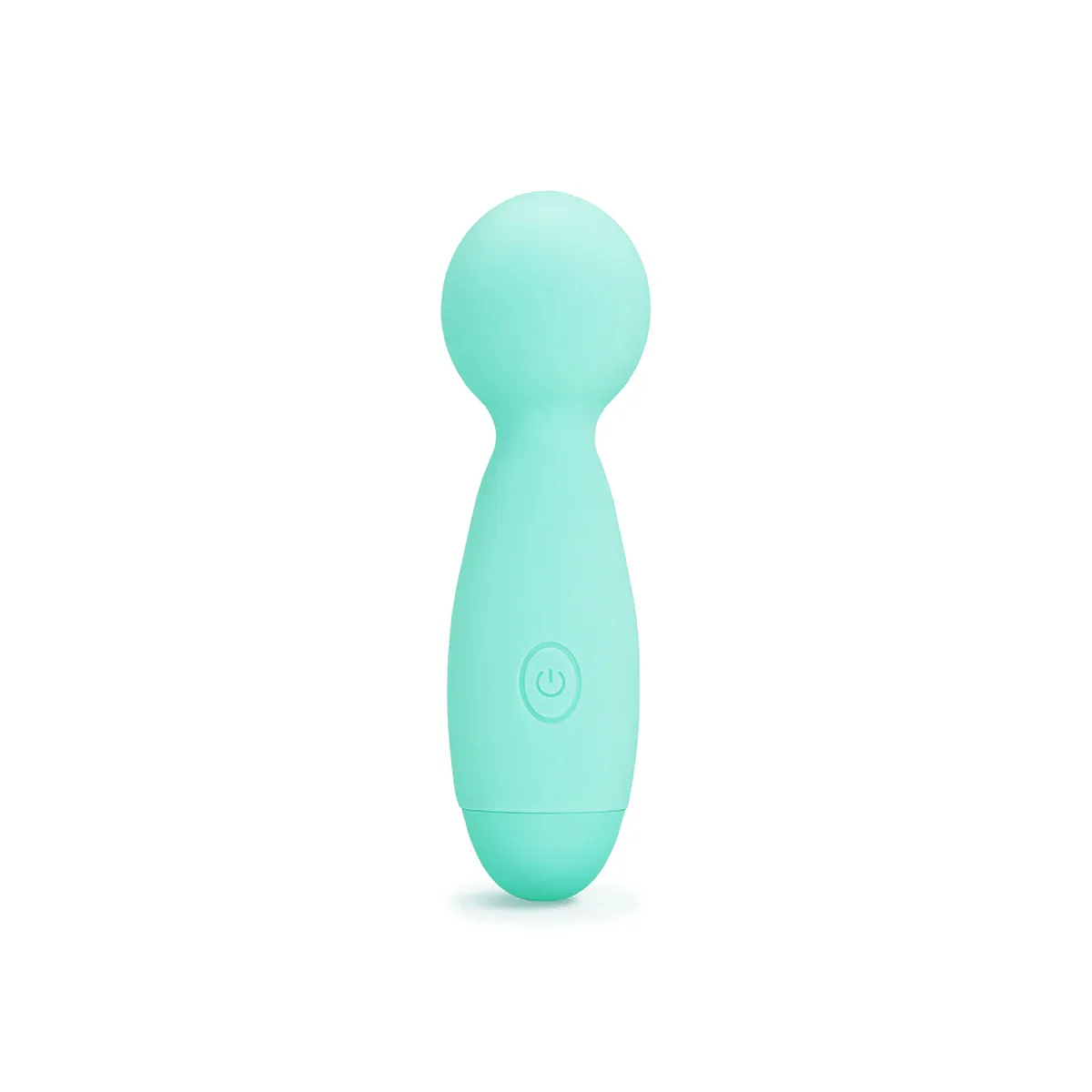
In 2018, plusOne showed up on Walmart shelves: silicone, USB rechargeable, priced like a midrange hair tool. Jamie Leventhal’s company, Clio, built the line after Walmart asked for something they could put in the aisle.5 Target followed the same logic. Self-checkout works. Or you order it to the door and never stand in that aisle.
The numbers were already there before the big-box era. A 2009 nationally representative survey found about 53% of women and 45% of men aged 18 to 60 had used a vibrator.6 Kinsey, in the 1950s, had basically shrugged this off as not “appreciable.” The objects got better. People also got less weird about answering a survey.
Kind of a tangent — Dame Products in Brooklyn was using MakerBot and Formlabs printers to iterate the Eva, a hands-free couples vibe, for a couple hundred dollars a prototype instead of a tooling bill.7 Custom silicone was already a 1990s craft. Faster molds are a 2010s one.
Deluvery is a same-night adult wellness delivery service in DC. We carry toys, lubes, condoms, and personal care, and everything arrives in plain packaging with a forgettable name on the card statement. The names in this post are history. The types of vibrators we actually stock are the consumer end of this stretch.
If you want the older objects, ancient is the start. You can wash them now.
Love, delivered in minutes.
Notes
-
Womanizer, company history and 2021 press kit: W100 launched 2014, Pleasure Air, founders Michael and Brigitte Lenke, Allgäu / Bavaria. Merger with We-Vibe into WOW Tech, 2018. Readable roundup: Amorana on the aquarium-pump prototype. ↩
-
Ben Popper, “Pleasing the Masses,” The Verge, 2016. Jimmyjane founded 2003; The Little Something; Form series with Yves Béhar, waterproof and rechargeable. ↩
-
Standard Innovation founded 2003; first We-Vibe shipped 2008. Company history summarized at We-Vibe. LELO: designers active 2002, LELO LLC registered September 2003. ↩
-
“Vibrator maker ordered to pay out C$4m for tracking users’ sexual activity,” The Guardian, March 14, 2017. We-Vibe 4 Plus / We-Connect; Standard Innovation settlement. ↩
-
Tiffany Hsu, “The Man Who’s Putting More Sex Toys on Walmart’s Shelves,” New York Times, July 3, 2019. plusOne / Clio / Jamie Leventhal; 2018 Walmart launch. See also Vox on the in-store debut. ↩
-
Debby Herbenick et al., “Prevalence and Characteristics of Vibrator Use by Women in the United States,” Journal of Sexual Medicine, 2009. 52.5% of women 18–60. Michael Reece et al., “Prevalence and Characteristics of Vibrator Use by Men in the United States,” same issue, 44.8% of men. ↩
-
“Sex toys made using 3D printers,” CNBC, 2015. Dame Products, Eva, MakerBot/Formlabs prototyping. ↩
Subscribe for new posts
Get new blog posts in your inbox. This also includes occasional promos and marketing emails.